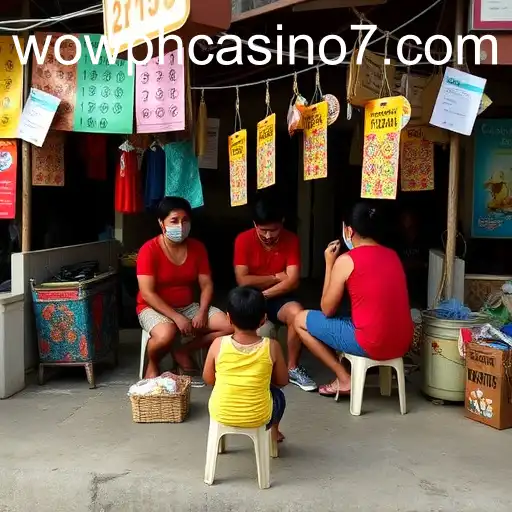
Understanding Jueteng: A Cultural Phenomenon
Jueteng is a popular numbers game, entrenched deeply in the cultural and social fabric of the Philippines. Often described as a form of illegal gambling, it has thrived in the country for decades, providing both a source of livelihood and controversy. Despite numerous government efforts to curb its spread, Jueteng continues to be a prevalent activity, particularly in urban areas where economic opportunities are limited.
The Mechanics of Jueteng
The allure of Jueteng lies in its simplicity. Players choose a combination of numbers between 1 and 37, betting on the possibility that their chosen number will be drawn. The winning numbers are typically drawn twice a day, with payouts varying based on the total bet and the odds determined by bet collectors, known as "kubradors." These collectors traverse neighborhoods collecting wagers and returning the dividends to winners in this underground network. The nature of Jueteng allows it to flourish as a community event, often tied up in social gatherings and relationships.
Jueteng and the Law
Despite its popularity, Jueteng is illegal under the Philippine Republic Act 9287, which increases the penalties for illegal numbers games. However, enforcement has been inconsistent, with periodic crackdowns occasionally dampening but never eliminating the practice. The game is often protected by a tangled web of local officials and law enforcement, which complicates eradication efforts. The influence of Jueteng extends into political spheres, with allegations of its revenue being channeled into campaign funds, serving as a reminder of the complex relationship between illegal gambling and governance.
Wow PH Casino: The Legal Alternative?
In contrast to Jueteng, [Wow PH Casino](/) represents the burgeoning industry of legal gambling within the Philippines. Operating under robust frameworks that ensure compliance with gaming regulations, Wow PH Casino offers a variety of gaming options, providing entertainment and an alternative to illegal gambling. The casino's offerings are diverse, with numerous table games, slot machines, and electronic gaming stations available to the public. Additionally, it emphasizes responsible gambling through educational initiatives and support services for players.
The Impact of Online Casinos
The rise of online casinos, such as Wow PH Casino, presents a distinct contrast to the traditional operations of Jueteng. These platforms allow users to participate in legal gambling activities from the comfort of their homes, offering an option that is both convenient and regulated. As technology advances, the landscape of gambling in the Philippines continues to evolve, with online casinos providing a modern twist to a longstanding activity. This transformation is part of a broader move towards digitalization, aligning with global trends in the gaming industry.
Socioeconomic Considerations
Jueteng's persistence can be attributed, in part, to socioeconomic factors, as it offers quick, albeit risky, monetary returns for its participants. In communities where economic hardship is prevalent, gambling can often be seen as a means of escape or opportunity. However, this perception is fraught with issues of financial instability and the potential for gambling addiction. Comparatively, the structure of operations like Wow PH Casino provides measures to address problem gambling, including betting limits and the option for self-exclusion, aiming to mitigate the negative social effects associated with gambling.
Public Perception and Future Directions
The Filipino public holds a complex view of Jueteng, with many acknowledging its cultural significance while recognizing its legal and ethical issues. The legalization of some gambling activities has sparked debates around cultural acceptance, moral considerations, and economic potential. As organizations continue to provide alternative legal gambling avenues, the focus remains on promoting responsible gaming and reducing the reliance on illegal activities such as Jueteng.
Conclusion
Jueteng captures the intricate challenges facing the gambling landscape in the Philippines. As the nation navigates the dual realities of its cultural traditions and the need for upholding law and order, the emergence of institutions like Wow PH Casino suggests pathways toward a more regulated and responsible gambling environment. Understanding and appreciating the intricate dynamics of Jueteng allow for a comprehensive approach that respects cultural heritage while embracing the future potential of legalized gaming.